What does it take to build a career in Nashville—and stay true to your own voice along the way?
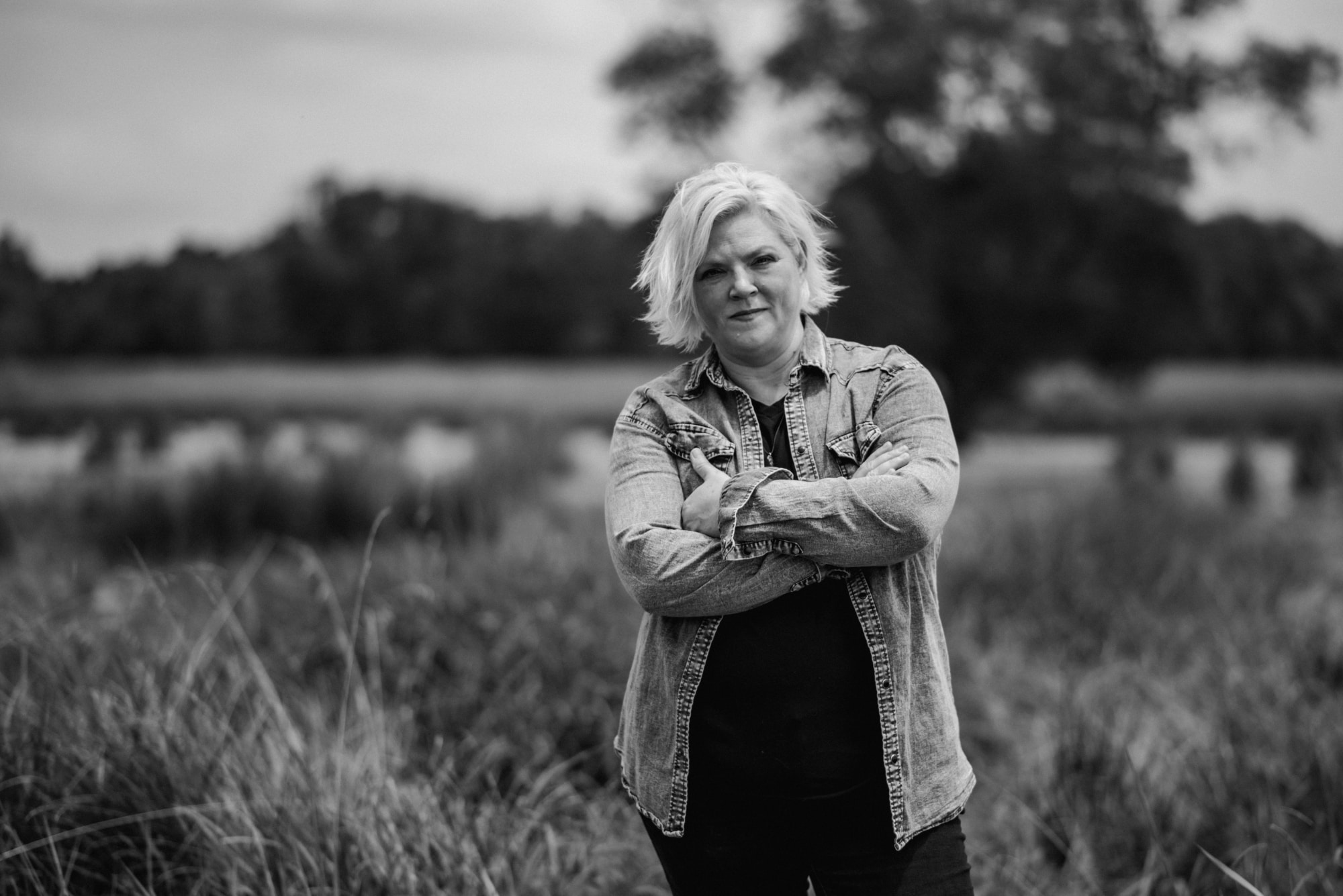
In the latest instalment of the UK-CMA Academy’s Up Close & Personal series, BBC Radio 2 presenter Bobbie Pryor sat down with Cheley Tackett, affectionately known as “Nashville’s Godmother”, to reflect on more than 20 years in Music City. From finding her feet as a songwriter to navigating a changing industry, Cheley shares the lessons that have shaped her career and her advice for the next generation of country artists.
The making of a songwriter
Cheley’s musical journey began at five, when she discovered her mum’s guitar tucked away in a cupboard. She spent the next five years attempting to play the adult-sized instrument - “badly” by her own admission - before starting lessons aged 10. Cheley’s teacher soon recognised that singing was her real strength and encouraged her to use the guitar to complement her voice.
By her early teens, Cheley was performing at working men’s clubs, although the audiences weren’t always the most engaged. “I remember feeling discouraged because no-one was paying any attention to me,” she recalls. But one evening, as she left a venue, two men who had been sitting outside stopped her to say how much they had enjoyed her performance. It was a small gesture, but one that offered a welcome reminder that her music was reaching someone.
Music was already the path Cheley intended to follow, but her parents wanted her to have something else to fall back on. She went to college to study secondary education, before working as a substitute teacher and waitress to make ends meet while continuing to perform at weekends. It was during this period that Cheley began writing and recording her own songs, laying the foundations for the career she would eventually build.
Even after making the move to Nashville, Cheley kept one foot in Ohio, driving back every other weekend to play a regular gig that offered some financial stability. The journey was anything but an overnight leap into the music industry; it was built gradually, through a patchwork of performances, day jobs and the songs she was beginning to make her own.
Finding her feet in Music City
Moving to Nashville was a major step and finding her place in its music scene took time. “I was pretty nervous and too shy to join in with songwriting for the first six months I was there. I just didn’t quite know what to do with it, so I had to go listen to other writers to learn the craft,” Cheley admits.
Her first gig came at a newly opened folk coffee house, before she began performing at the Bluebird Café’s open mic, Douglas Corner’s writers’ night and on Broadway. It was at the Broken Spoke, a gathering place for songwriters and established hitmakers, that she began to find her footing. Playing regularly, sometimes four or more nights a week, helped Cheley develop her craft and build relationships with other writers—some of whom eventually approached her to collaborate.
Letting the song find its voice
For Cheley, songwriting begins with an idea, sometimes a vivid picture or movie in her mind that she has to translate into words. Some songs come together in 20 minutes; others take a year. Looking back, Cheley says she’s glad she didn’t have a publishing deal when she was writing some of her earlier material as the pressure to deliver songs on a deadline might have rushed their development - “In Nashville we’re a factory of songwriters, so they want you churning out music,” she declares.
It’s a pressure that sits at odds with her own approach to writing. Rather than starting with a particular artist in mind, Cheley prefers to let a song take shape on its own terms: “I think you’re doing a disservice to the song otherwise. The song is going to show up as the song. Then you’ve got to find the voice for it.”
While it’s a craft Cheley learned largely through experience rather than formal education, she reflects on how much the industry has changed by noting you can now get a degree in songwriting, which gives younger artists some advantage from the start.
No single path to success
“There’s no fast track. There’s no one single path,” Cheley states. She believes the industry can give artists the impression that there is a prescribed route to success: build a regional following, prove your talent and eventually a record label will come knocking. However, Cheley thinks that has been a big myth of the industry for a long time.
Social media has also changed how artists attract industry attention, with online numbers now playing a significant role in getting people noticed. But a large following doesn’t necessarily translate into ticket sales or a crowd at a live show. While the internet has made it easier for independent artists to reach listeners around the world, Cheley has also seen emerging musicians spend increasing amounts of time creating social media content, sometimes at the expense of writing and recording.
While connecting with listeners is important, she believes there is a difference between understanding an audience and letting it dictate what an artist creates. “I think it’s really dangerous to let fans determine what your art is,” she states. “It’s always interesting when you introduce a new song because I think sometimes it takes a while for it to grow on someone. They may not know that that’s what they need.”
Taking a leap
Even after decades in the industry, Cheley continues to challenge herself—sometimes by stepping into musical territory far removed from her usual sound.
One such opportunity came at a songwriting camp in Denmark, organised through the Danish Professional Songwriters and Producers (DPA), where the artists were given just a few hours to write, record and mix a song. For Cheley, that meant working alongside artists from the worlds of pop, disco and electronic dance music (EDM).
She contributed a guitar riff and lyrics, which an EDM artist developed into a track. When the younger artists encouraged her to sing the song herself, she gave it a go despite the song calling for notes well outside her normal vocal range. She even found herself standing on her tiptoes to help reach them.
“I sang it and I was like, ‘Why does that work? There’s nothing about this that should work’,” she says. “That turned out to be one of the more joyous experiences I’ve had in music in a few years.”
Taking it all in
Amidst the years of hard work, Cheley insists it’s important to take stock of the wins along the way too. One particularly meaningful moment in her career came when songwriter Reece Wilson approached her about collaborating: “It was acknowledgement for me that I was a good writer and he thought that I might be able to write something with him that was pitchable for an artist, so that was a big moment.”
But perhaps the most moving reminder of how far she has come came during her recent performance at the Nashville Nights Festival in Denmark. As she sang the final song of the evening, she thought back to the teenager who had first stepped onto a stage.
“I had this moment where I was like, ‘15-year-old Cheley just wouldn’t believe this.’ And I got all choked up,” she recalls. “I may not be playing arenas or be number one in the charts, but I’m singing to a room of people and they’re hanging on my every word.”
The power of saying yes
For aspiring UK country artists, Cheley’s first question is whether they’re songwriters as well as performers, or are pursuing the artist route without songwriting, as that changes the focus.
“Be disciplined. Play as much as you can. Say yes to things everyone else is saying no to because that’s how you meet people, grow your audience and earn a reputation for being reliable,” she advises, pointing to her friend Ashley McBryde, who spent years saying yes to opportunities.
For songwriters, her advice is just as direct: be kind. “Sometimes you’re going to think you’re right, but you’re not and you don’t always have to be. You’ve got to pick your battles,” she notes. Co-writing means listening and compromising, but also knowing when to stand your ground.
And after decades in the industry, Cheley says there’s no magic formula for making it in music. It comes down to showing up, staying open to opportunities and never losing sight of the music itself.
Want to watch the full conversation? Join the UK-CMA to watch Bobbie Pryor’s interview with Cheley Tackett and discover more Up Close & Personal conversations with the artists shaping country music.